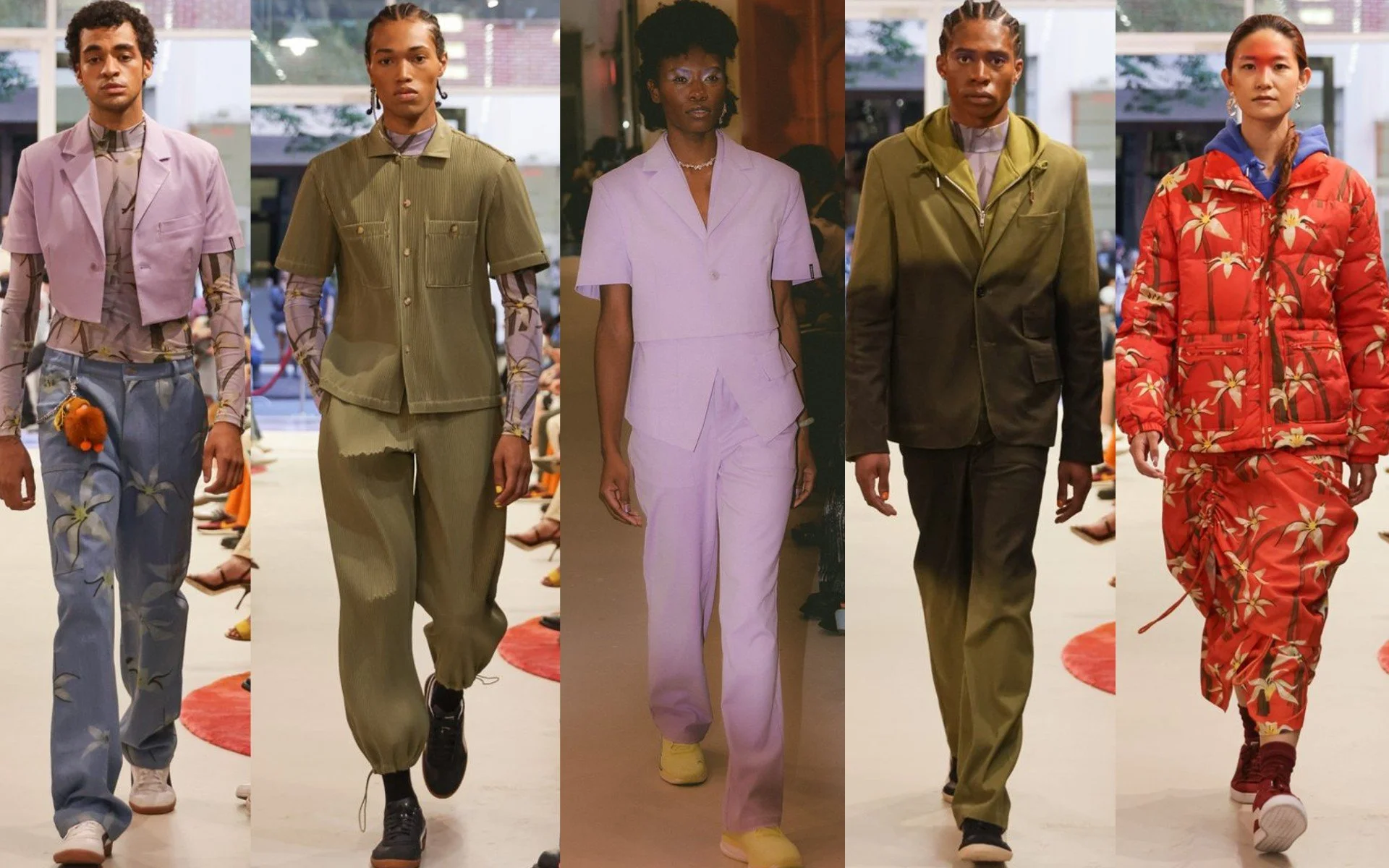
Something Old, Something New

Sustainable, Eco-Friendly textiles used in Fashion

It has become more and more apparent that consumers of all ages are at least interested in shopping more sustainably, and carry a sense of awareness and responsibility for the environmental impact of non-biodegradable fabrics. Studies show that the demand has grown substantially for more environmentally-friendly alternatives. The Global Sustainability Study 2021 reveals that we are living within a global paradigm shift of sorts when it comes to how consumers view sustainability. Sustainability is ranked top 5 value driver by 50% of consumers. Buyers are no long thinking of sustainability as an exception or option, it is now the expectation, leaving companies and brands with pressure to adapt. Offering sustainable products or services is a must.

In this post, I will share some common sustainable materials and eco-friendly alternatives used in the fashion apparel and footwear industry.

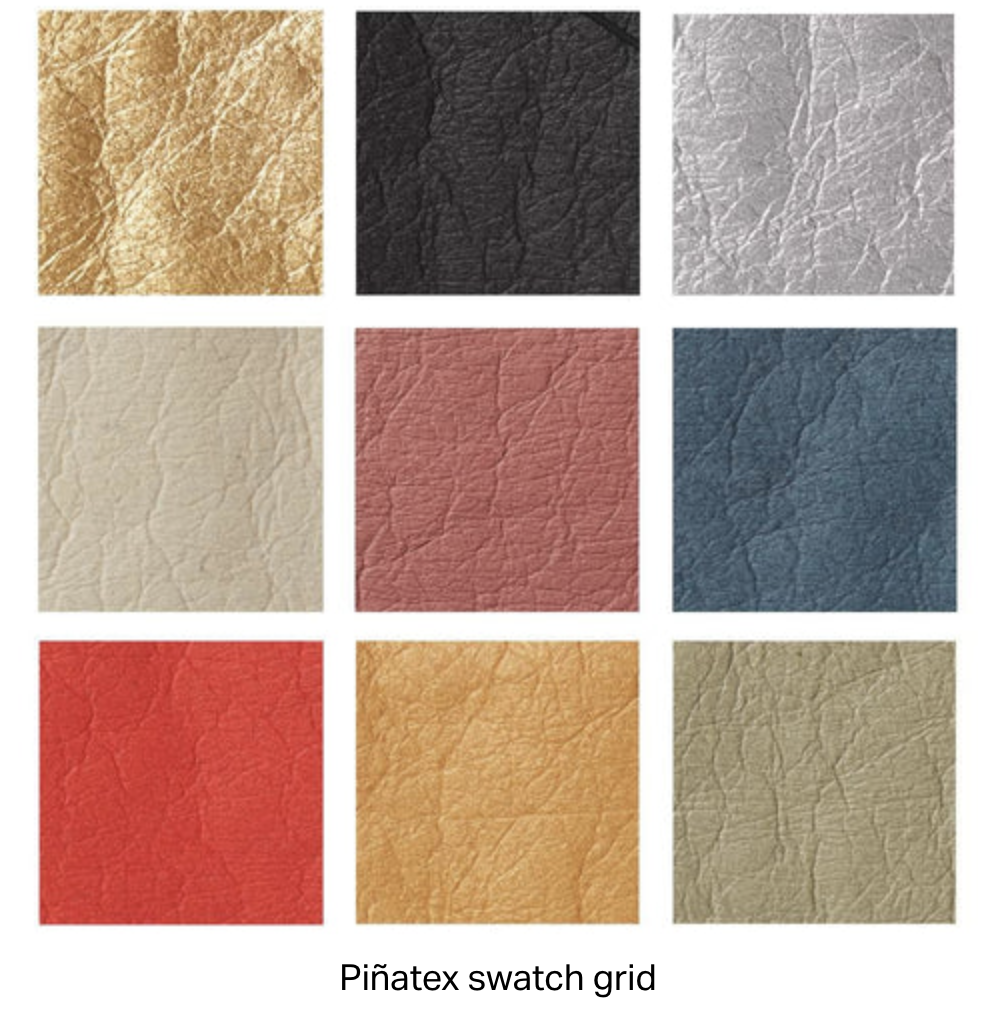
Pineapple Leather. Pinatex is an invention that uses portions of the pineapple plant as an all-natural raw material to make vegan leather. The pineapple industry harvests about 27.5 million tons of pineapples and generates 76 million tons of waste pineapples leaves that would be burned or left to rot if not recycled.

Pinatex leather is 100% animal free, and is made from recycled pineapple crop. The process simply transforms pineapple leaf fibers, polylactic acid (PLA) and petroleum-based resin into a vegan leather that is durable and can last from three to four years, or longer if cared for properly. This beautiful vegan leather can also be naturally dyed and comes in an array of colors.
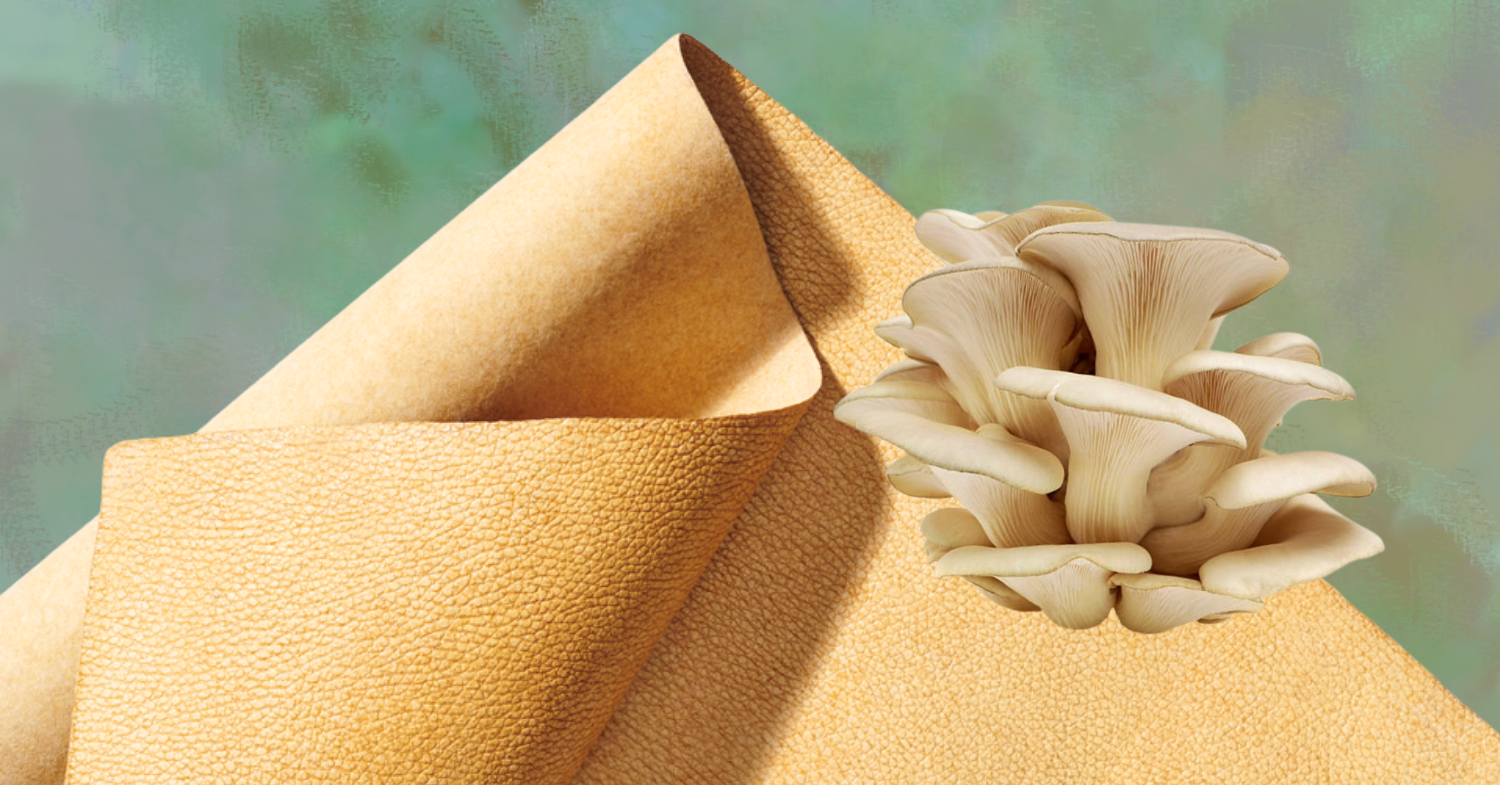
Mushroom Fabric. Considerably one of the most sustainable materials to work with is mycelium. Mushroom leather is made from mycelium which is the vegetative part of a fungus. It is an incredibly versatile organic material whose network of filament grows underground, beneath the forest floor. It requires minimal resources, water and electricity to grow. It’s a natural fiber that is lightweight, naturally absorbent, insulating and most of all biodegradable.


Organic Hemp. Hemp is a natural plant fiber from the stems of a cannabis plant. It is carbon positive meaning it converts carbon into usable biomass, as well as being zero waste. Every part of the hemp plant can be used by humans, even the seeds. The plant uses little water to grow and actually replenishes the soil’s health with nutrients. Hemp is extremely versatile, its fibers (similar to cotton) can be used for paper, canvas, clothing and rope. It is biodegradable, lightweight, durable and long-lasting.

Nike Sustainable Materials Range. Nike is leading apparel and footwear companies in North America for its environmental and social performance. The brand is on a journey to “Move to Zero” which is using science to become zero carbon and zero waste by reusing existing plastics, yarns and textiles. Their overall goal is to reduce carbon emissions and their environmental impact, all while creating lasting products.

Nike is pushing the envelope with its materials. Nike Forward is an all-new material that’s made from ultra thin, ultra futuristic needle punched layers. It has 75% reduce carbon footprint than the original knit fleece. The company’s recycled polyester is made from plastic bottles. Nike diverts an annual average of 1 billion plastic bottles from landfills and waterways. This along lowers the company’s carbon emission by up to 30%. Next up, Nike recycles more than 1.5 million pounds of cotton each year. One hundred percent of all cotton used by the company is organic, recycled or BCI. Recycled nylons (made from carpets and used fish nets) are processed and used as yarn. The recycled nylon yarn reduces carbon emissions by 50% compared to virgin nylon. The Space Waste Yarn upper used in the Space Hippie collection includes 75% recycled polyester made from plastic bottles, t-shirts and yarn scraps. The Nike Flyknit is a lightweight fabric engineered from 60% less waste than traditional footwear and contains 6-7 plastic bottles.

rose-sylk-collina-strada

Rose Silk (or Sylk). This beautiful fiber is made from the natural waste of rose bushes and stems. I become aware of the usage of this fabric from my research on brands who showed during NYFW and measures they took to be sustainable. I learned that Collina Strada used rose sylk in her ready to wear collection.

No Policy, No Problem - NYFW Brands and Designers who are committed to Sustainability

NYFW-sustainablity-brands

The driving force behind the fashion industry has always been feeding the needs of consumers, and of course there’s a small dash aspiration thanks to our love for pretty things.  Unfortunately, the fashion and textile industry (which includes clothing, leather goods and footwear) is “responsible for an estimated 2-8% of the world’s greenhouse gas emissions, consuming 215 trillion liters of water per year, and accounts for approximately 9% of annual microplastics losses to the oceans”, according to the UN Alliance for Sustainable Fashion.  

So, while fashion editors, buyers, and enthusiast jet-set to the world’s fashion capitals to enjoy the shows during fashion month, sustainability is often the furthest thing from their minds.   Despite many choosing to ignore sustainability and treating it as an invisible factor, it is not invisible to us all.  Hence, I wanted to spotlight a few designers and brands who presented conscious collections during NYFW.  These brands have decided to take a stance against unethical and unsustainable practices without US government legislation.  They are committed to working on reducing their negative environmental and social impacts with hopes of turning the fashion industry into a driver of positive global change.

The following designers have committed to contributing to the fashion world’s value chain in a way that will achieve global sustainability and carbon neutrality.  What I really love is that these designers rendered measurable change to their productions by implementing ethical and sustainable practices in order to yield meaningful environmental solutions.  We will see how some designers took pre-sell orders, manufactured small runs of inventory, and eliminated bulk ordering of their collections.  Others used renewable and clean energy resources designing sustainable collections with less impact on the environment.  And lastly, some consolidated fashion events, shows and show locations.   See the designers below and my favorite looks from each collections. 

Angel Chang

            Angel Chang is a self-proclaimed “zero carbon” womenswear designer.  Her brand is also climate neutral certified direct to consumer.  During the pandemic most designers were forced to use unusual approaches to developing their collections; thus Angel’s SS23 collection is extremely unique.  This collection is over 10 years in the making.  It’s a collaboration involving Chinese artisans and tribes from rural China.  Her SS23 collection is extremely distinct because it was created using only the bare hands of the makers following cycles of nature without electricity and harsh chemicals.  All fabric was stained using plant-based dyes from gather leaves and petals that had fallen naturally.

BOBBLEHAUS

            BOBBLEHAUS is a genderless, sustainable brand that “brings together global Gen-Z perspectives on fashion, music, art, design, and technology”.  Founders Ophelia Chen and Abi Lierheimer ensure that their designs are made sustainably by using deadstock, recycled fabrics, and renewable materials such as Lyocell fibers extracted from sustainably grown wood.  The brand is socially sustainable as well as environmentally.  Their workplace condition aligns with human rights, ILO conventions and labor laws.  I also want to mention that they collaborated with an organization called One Tree Planted, which plants 10 trees for every item purchased. 

BruceGlen

bruce glen

            This color loving duo returned to NYC to show their collection.  Identical twins, BruceGlen’s SS23 collection is full of metallic leathers, psychedelic prints and colors, and unique designs all with a western flair.  Designers credit the inspiration for the collection on a thrifted cowboy shirt.     

            In creating this collection, the brand partnered with Resonance Brands to implement a sustainable manufacturing system using digital printing only.  They don’t use any batch-dyeing or screen printing, opting to instead use natural fibers which are 95% biodegradable.  It should be noted that the brand is socially conscious by using ethical practices such as simply paying all staff above a living wage.

Collina Strada

collina-strada

Collina Strada is a beautiful, socially sustainable brand that works to set itself apart from the rest by creating necessary ethical sensibilities for social issues.  Engraved in the character of the brand is transparency and its aspiration to become fully sustainable.  The collection is manufactured in New York and made using an organic fiber called rose sylk that’s made from rose bushes and stems, deadstock fabrics, and recycled cotton.   

Studio 189

studio-one-eight-two

            Studio One Eight Nine is a beautiful “made in Africa” brand that works with the artisanal community there through partnerships with UN ITC Ethical Fashion Initiative and NYU Stern School of Business.  These collaborations create opportunities for makers on the continent to gain skills and trainings, become further educated, and thus be even more EMPOWERED.  The African-inspired clothes are made using local plants and herbs which creates natural dyes. Recycled cottons and glasses are used as fabrics, as well as pineapple fibers used to make pineapple pinatex leather.   

Gabriela Hearst

gabriela-hearst-ss23

            Gabriela Hearst showed an incredible collection during NYFW.  Her SS23 offerings included beautiful knits, crochets, constructed jersey dresses and molded, gold leather insets, pantsuits, and dresses.  Some materials used were natural and repurposed from deadstock.  The boots were made using biodegradable EVA soles.      

            Gabriela Hearst is a brand that’s not only environmentally conscious, but is socially sustainable as well.  Her runway casting included a diverse group of women presenting in all shapes, sizes and abilities.  Female empowerment is woven in the brand’s DNA, thus for models Gabriela tapped some of her friends who works as advocates and activist fighting for human rights, women’s health issues and environmental solutions. 

Fashion Week can be Sustainable

Sustainable Fashion Month

Fashion Month is upon us, and to no one’s surprise my favorite of them all kicks it off – Copenhagen.  Fashion enthusiast travel to Denmark’s capital for bright colors, fun prints and most importantly a peek at how fashion brands successfully approach sustainability. 

 At first glance Munthe stood out with its clean, crisp color palette of hues of blue, kelly green, mustard and rust. The collection spoke to my love for ease in dressing all while including key wardrobe staples that I gravitate towards.  An all-inclusive band of models (representing all sizes and races) hit the runways adorned in oversized denim, jackets, flowy two-piece sets and hypebeast-esque sneakers.  I am willing to guarantee this collection is a fan favorite because it’s one of my favs for sure.

As we all know, Copenhagen Fashion Week’s organizers are challenging participants to create action plans behind obtaining sustainability in the apparel and textile sector.  The demand is for industry players to realize the negative impact of past practices, and to therefore, proactively change the way we co-exist in the fashion world.  Climate change is taking a toll on our planet.  

Munthe strives towards become a more sustainable brand by complying with the new set of standards by Copenhagen Fashion Week.  The brand’s current collection is 64% “responsibly made” meaning more than 50% of the fabric composition is made from sustainable materials.  Aside from conscious sourcing, Munthe has sustainability requirements integrated into its business strategy, CSR strategy, Code of Conduct, travel, packaging, and purchase policy.  This brand ultimately hopes to become zero waste and attain carbon neutrality within in the next few years.