Something Old, Something New

Betting it All on INNOVERA

Over the summer, I virtually attended the Global Fashion Summit, which is hosted in Copenhagen, Denmark. The conference is a place where new innovations, technologies and solutions are spotlighted by stakeholders in the sustainable fashion industry with hopes of proactively championing against critical environmental, social, and ethical challenges caused by the fashion industry.

During the Future of Bio-Design Materials panel, one company stood out in my mind – Modern Meadow.  I was intrigued by its product innovation.  I have always been fascinated by alternative materials and their ability to sustainably imitate the appearance of conventional materials.  So when I heard the company’s CEO speak of their sustainable leather alternative that is both lightweight and twice as strong as traditional leather, I was all ears. 

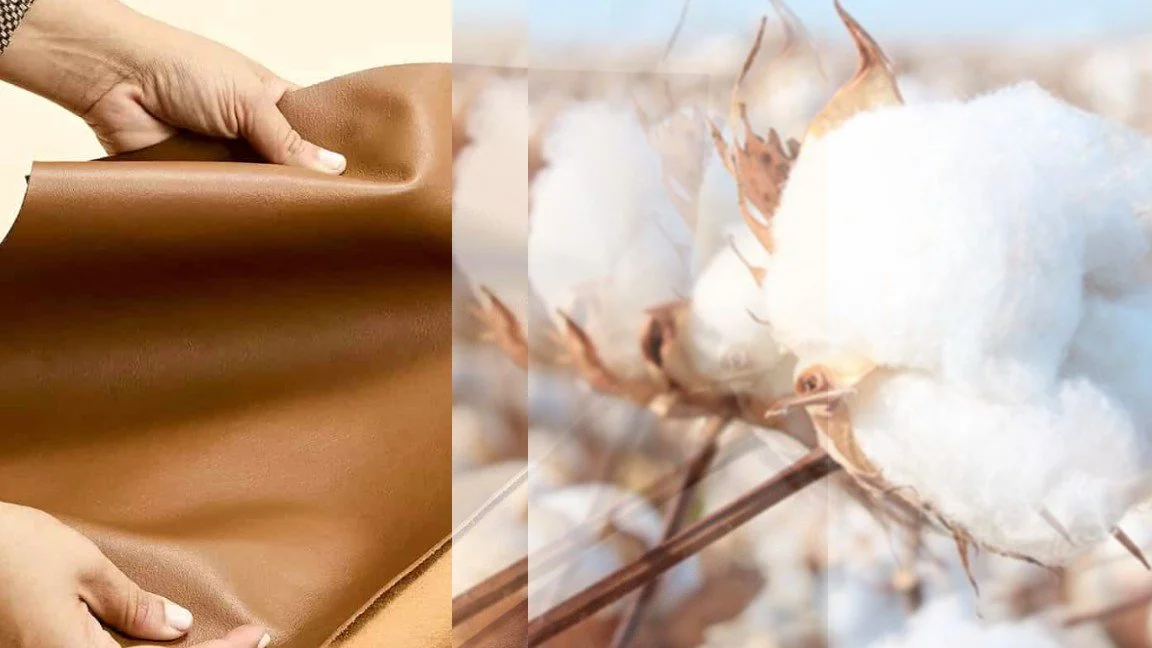
This company has pioneered an animal-free, leather-like product called INNOVERA.  The product material is constructed using plant-based proteins, biopolymers, and recycled rubber.  It’s made to not only look like leather, but to “replicate the look and feel of collagen found in leather.”  Impressive right?  The company is betting it all on INNOVERA by focusing solely on ensuring that this product is readily available globally for consumers, distributors and beyond.
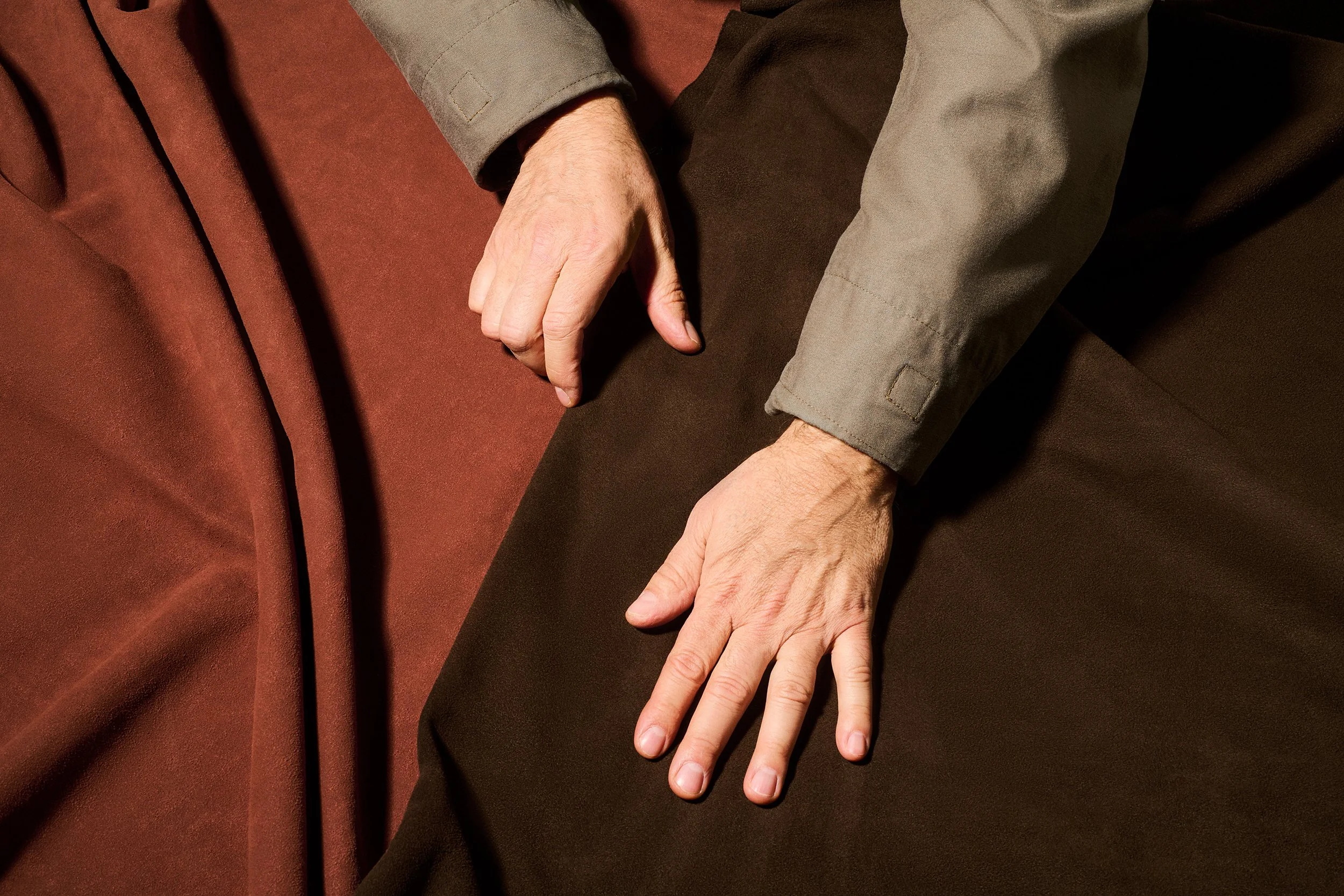
Animal-free, bio-fabricated alternative leather
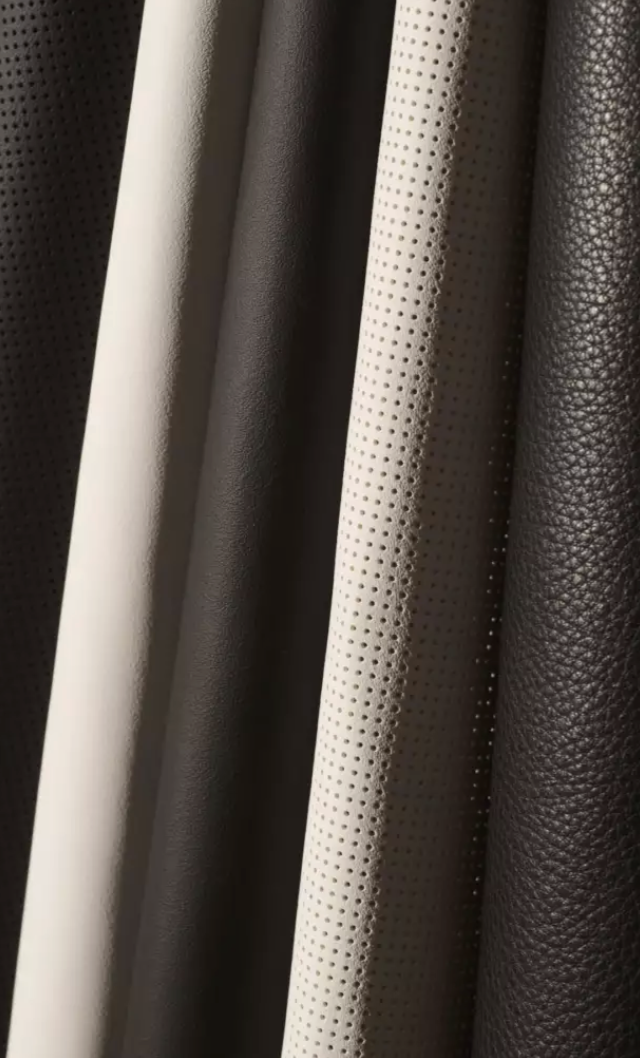
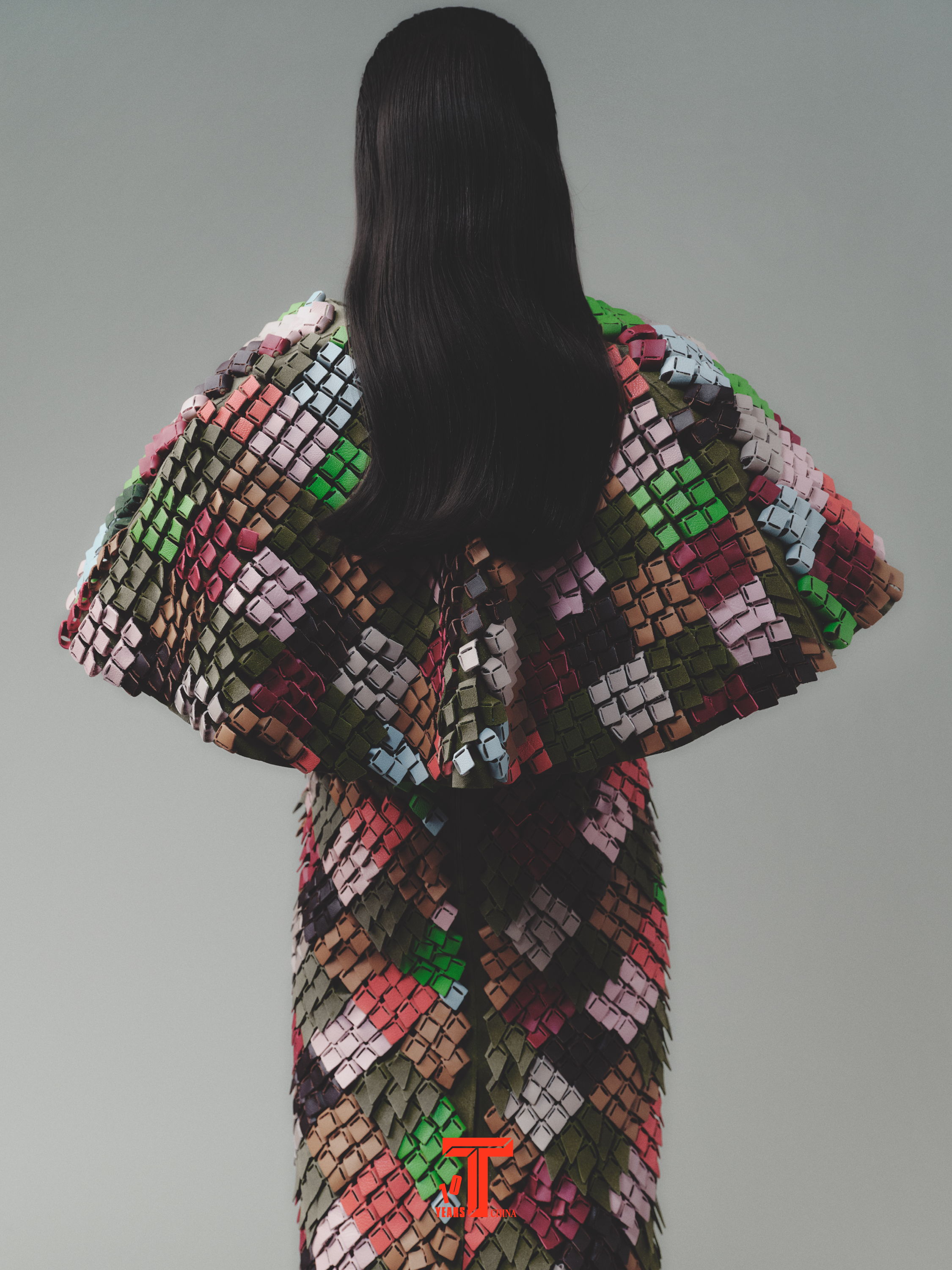
With the goal of driving adoption, the Modern Meadows is partnering with industry leaders in various markets across the globe.  From fashion brands to luxury car brands, and even a leather goods company have elected to use INNOVERA as a sustainable anchor to produce their leather alternative products.   Sustainability fashion designers Karmuel Young and Tommy Abiyo Tedji used INNOVERA in their Autumn Winter 25 collection for their Sustasia Fashion Prize submissions during Shanghai Fashion Week. The reward is given to Asian fashion industry creatives who best showcase the uniqueness, beauty and versatility of innovative sustainable materials and practices.
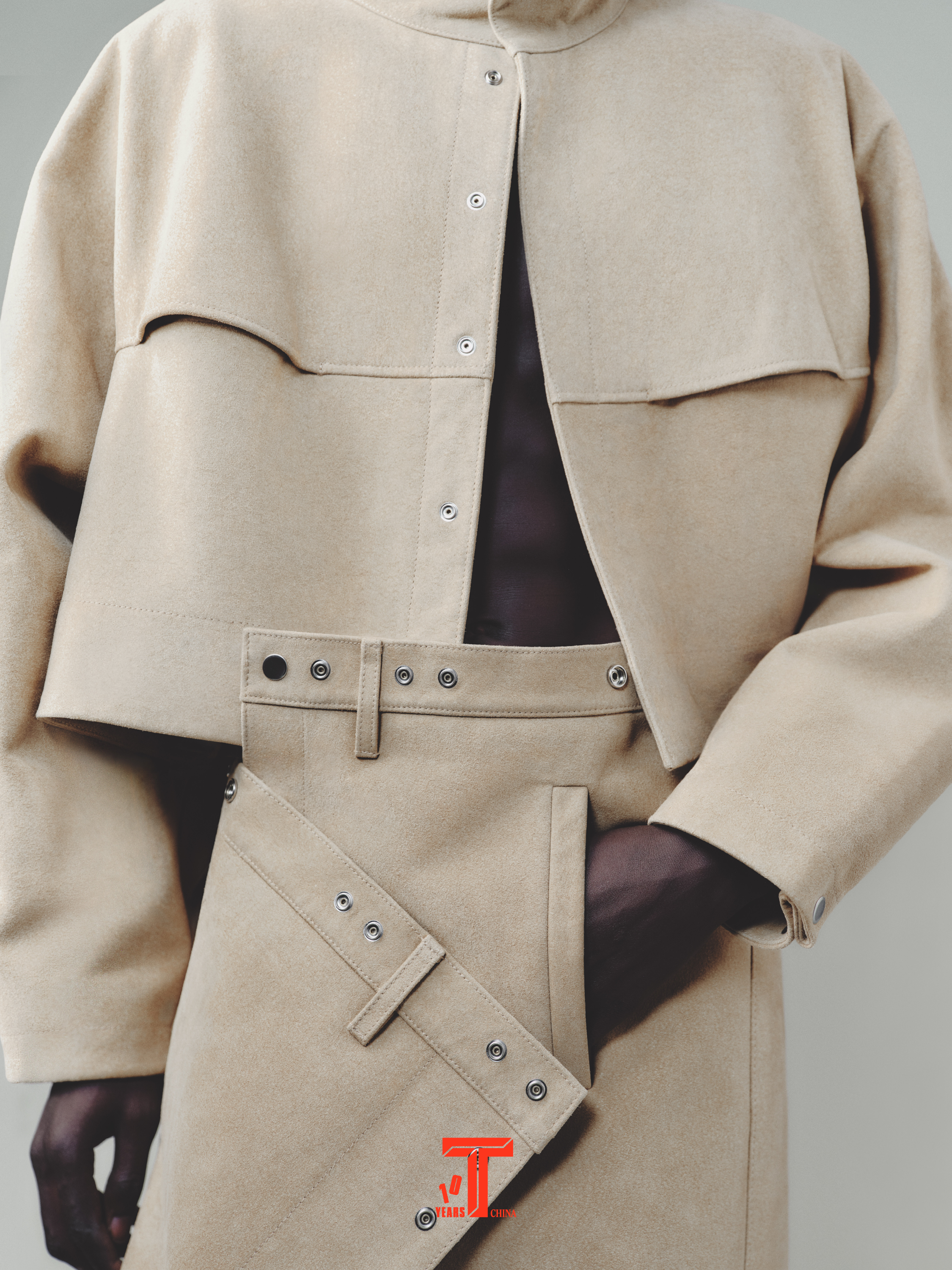
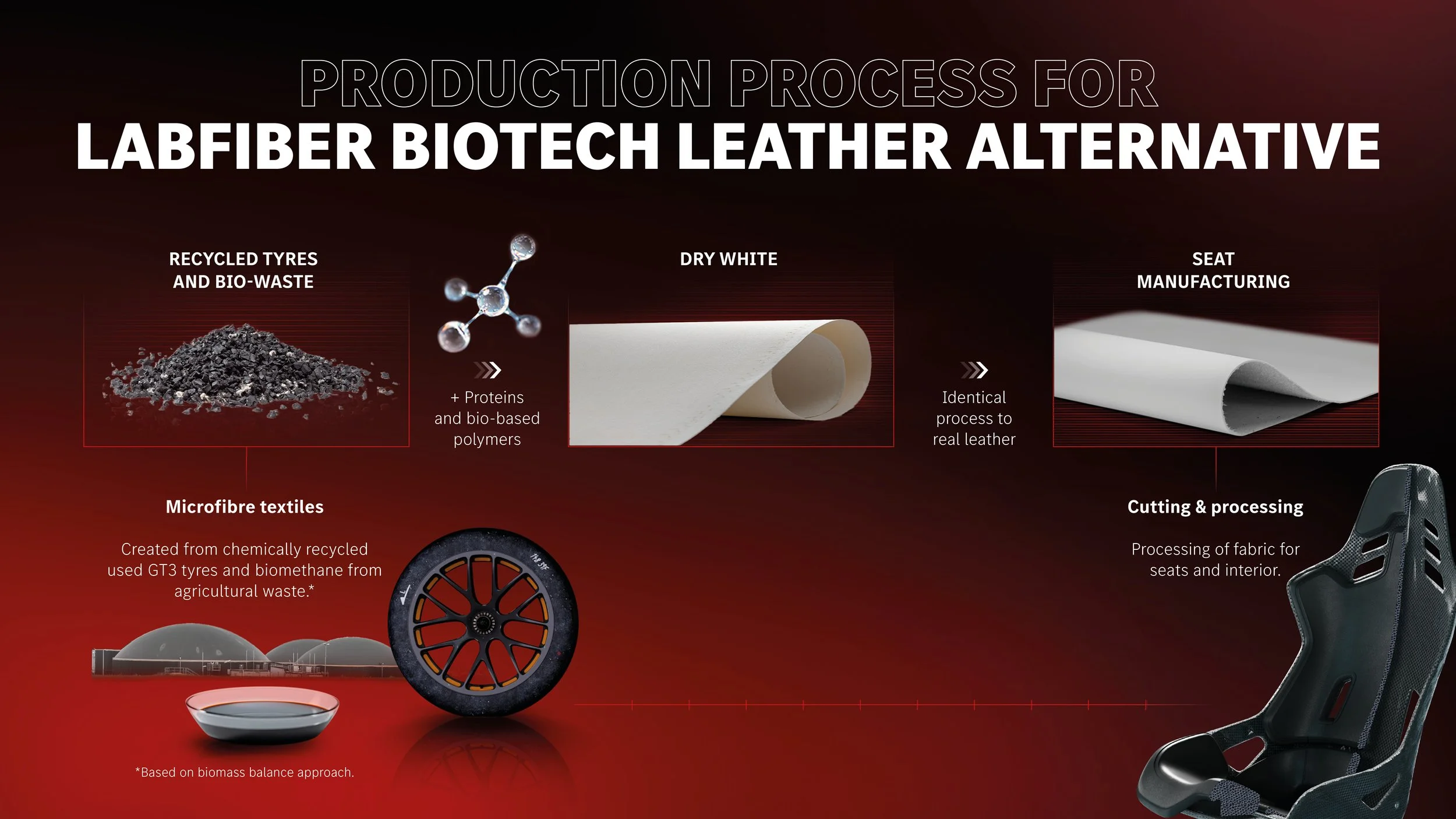
Bellroy, an Australian brand that makes backpacks, totes, luggage and other accessories, uses INNOVERA in select items as a part of a partnership offering customers alternative leather options.  And more recently, Modern Meadows has announced a collection with Mercedes-Benz.  The automobile giant, using INNOVERA and recycled AMG GT3 racing car tires, proteins and biopolymers, will develop a leather alternative called “LABFIBER Biotech Leather Alternative”.  This leather alternative will be used as interiors in Concept AMG GT XX electric vehicles.    
“Solutions often involve action, reframing, and perseverance”

After learning more about Modern Meadows and its INNOVERA alternative leather product, I realized that this company may be the solution that many sustainable brands, designers and manufacturers have been searching for.   Globally, countless producers  are navigating evolving standards and regulations, while others face barriers that include  unclear frameworks or exorbitant costs for implementation.  For example, in the EU, both the CSRD and EUDR are sustainability reporting directives created to require large companies to disclose non-financial, or ESG reports on any environmental risk they face and how their activities impact people and the environment.  However, the standards have been basically sitting in “draft” with formal adoption nowhere in sight.  As one can imagine the lack of clarity and delays in implementation are quite frustrating and further adds to the complication of the industry’s regulatory framework.  

Mitigation

Modern Meadows shifting its focus to INNOVERA with goals to drive adoption and partner with brands across markets benefits all.  This product meets varying chemical safety, labeling and trade requirements in different countries.  Consumers and manufacturers interested in circular and biobased products don’t have to second guess INNOVERA’s drop-in capability when searching premier sustainable leather alternatives.  There is a growing hunger for more sustainable, innovative products, and manufactures would like to navigate the barriers and unexpected costs of regulation.  INNOVERA just may be the investment.


Sources:

Modern Meadows

Williamson, CEO David. Submitted Questions. 24 June 2025.
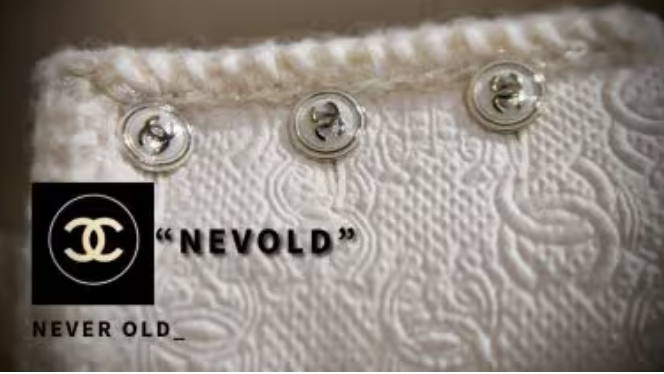
A World Where Chanel is Never Old: Chanel Nevold

Luxury design house Chanel is entering the world of circular fashion with first-class efforts, backed by an investment of upwards of 80 million euros.   

Recently, Chanel unveiled Nevold – short for “never old”.  This all-new sector of the luxury fashion house will be a fully independent platform dedicated to developing recycled materials at industrial scale.   Nevold is a B2B (business-to-business) model created with goals of circular textiles usage for Chanel collections and third parties across the fashion spectrum.  Nevold is geared to offer hybrid materials such as yarn made from a blend of virgin and recycled fibers, and recycled leather material that has already been integrated into 30% of Chanel bags and 50% of certain Chanel footwear lines.  

Sustainable practices aren’t necessarily new at Chanel, as the brand has an in-house recycling lab, L’Art Metiers.  The house also doesn’t destroy unsold products but instead seeks innovative ways to extend the life of these products.  Company leadership has been experimenting for years on methods and systems that would eventually close the loop of their luxury product lifecycles.  However, the Nevold venture will formalize its endeavors.  The brand recognizes the scarcity of high-quality raw materials, such as cotton, wool, cashmere, silk, and leather, and therefore utilizes recycled threads in their tweed, as well as processed leather waste, to reinforce damaged shoes and bags.

LONGTERM ALTERNATIVE – FAR BEYOND NEXT SEASON

For Chanel, Nevold is a surge towards environmental sustainability that extends beyond surface-level ideas of circularity with a resale, buyback program, or upcycling finished products. As yet, Nevold doesn’t have any hard-set metrics to reach, no expected returns to deliver, nor KPIs on how much recycled content will be used in future Chanel collections.   Its centralized focus is on the components - not the product. Taking an in-depth look at what can be created when recycled and virgin content is fused with the technical standards of luxury manufacturing.  In acknowledgment of the global material crisis, Bruno Pavlosky, president of fashion at Chanel and Chanel SAS, insists “[Chanel] is not trying to replace what nature gives us to use”, but preserves it in a way that still provides “best quality with full transparency and traceability”.   The goal is not to change Chanel’s identity, but to equip current and next-generation Chanel customers with the knowledge, capability, and resilience of what is possible with environmentally focused innovation, heritage craftsmanship, and desirability.


Sources:

https://luxiders.com/chanels-nevold-a-debut-with-circular-fashion/

https://www.voguebusiness.com/story/sustainability/chanel-unveils-new-recycling-platform

Global Fashion Summit 2025

A few weeks ago, I had the absolute honor and privilege of virtually attending the Global Fashion Summit. I enjoyed this event because it’s a place where like-minded individuals join to discuss innovative methods of reversing the environmentally destructive ways of the fashion industry. Industry stakeholders from all backgrounds and levels of expertise ascended Copenhagen with an agenda of pushing the needle toward net positivity through collaboration, impact, sustainable innovation, education, and of course policy and regulatory initiatives.

Currently, the fashion industry is responsible for about 10% of carbon emissions and pollutants pouring into our atmosphere, with a predicted increase to 26% by 2050.  This massive carbon and environmental footprint will only be reduced by real behavioral changes by brands and consumers. No longer are cheap synthetic materials made in warehouses with little to no regulations and by underpaid workers acceptable. The fashion industry must come to terms with the fact that approximately 85% of non-biodegradable textiles end up in landfills each year due to overconsumption and lack of end-term waste or circulatory solutions. CEOs, retailers, manufacturers, and producers are being held to task when it comes to taking actual steps towards a sustainable transition.  

Major TakeAways

The Panels I enjoyed the most covered topics relating to alternative materials - The Bio-Design Futures and Fibre Futures. Discovering alternative biomaterials always piques my interest because I believe sustainable materials paired with amazing design and affordability will truly change the trajectory of the adverse impact caused by the fashion industry’s reliance on fossil fuels.

From the panel, I was introduced to Innovera material, which is an alternative leather material made from plant proteins, biopolymers, and recycled rubber; as well as Phycolabs, a company from Australia creating seaweed-based fabrics solely from cultivated seaweed. Speakers spoke at length about how important it is to make these alternative materials accessible, affordable, and attractive for consumers so that they may truly stand a chance at marketability. I think it is important to mention that none of the speakers considered alternative materials to be a direct competitor of conventional materials, but rather to be placed in its category with its own regulations to support it and/or protect it. High-quality and sustainably produced alternative biomaterials can coexist alongside their conventional counterparts.

Policy regulators expressed the importance of legislation that would outline parameters for a sustainable transition. EU Parliament Member Rasmus Nordqvist spoke specifically about the positive outcomes that true transparency for consumers could lend. And contrast, how greenwashing and the abuse of buzzwords could diminish credibility and progress. 

Lastly, during the Fibre Futures segment, panelists spoke at length about material traceability and post-consumer waste. The overall goal here is to prevent synthetic fibers and textile waste from ending up in landfills causing even more harm and detriment. Many environmentally conscious producers are hoping to bridge the gap and drive adoption with sincere materials free of pollutants and harmful dyes. Brands like Haelixa, are adding natural [DNA] to fabrics which will “…verify the origin, quality and ethical production of any textile fibre”. Through partnerships with other brands, this traceability technology will garner trust from consumers, as well as impart knowledge of an item’s authenticity and its circularity potential.