Something Old, Something New

Betting it All on INNOVERA

Over the summer, I virtually attended the Global Fashion Summit, which is hosted in Copenhagen, Denmark. The conference is a place where new innovations, technologies and solutions are spotlighted by stakeholders in the sustainable fashion industry with hopes of proactively championing against critical environmental, social, and ethical challenges caused by the fashion industry.

During the Future of Bio-Design Materials panel, one company stood out in my mind – Modern Meadow.  I was intrigued by its product innovation.  I have always been fascinated by alternative materials and their ability to sustainably imitate the appearance of conventional materials.  So when I heard the company’s CEO speak of their sustainable leather alternative that is both lightweight and twice as strong as traditional leather, I was all ears. 

This company has pioneered an animal-free, leather-like product called INNOVERA.  The product material is constructed using plant-based proteins, biopolymers, and recycled rubber.  It’s made to not only look like leather, but to “replicate the look and feel of collagen found in leather.”  Impressive right?  The company is betting it all on INNOVERA by focusing solely on ensuring that this product is readily available globally for consumers, distributors and beyond.
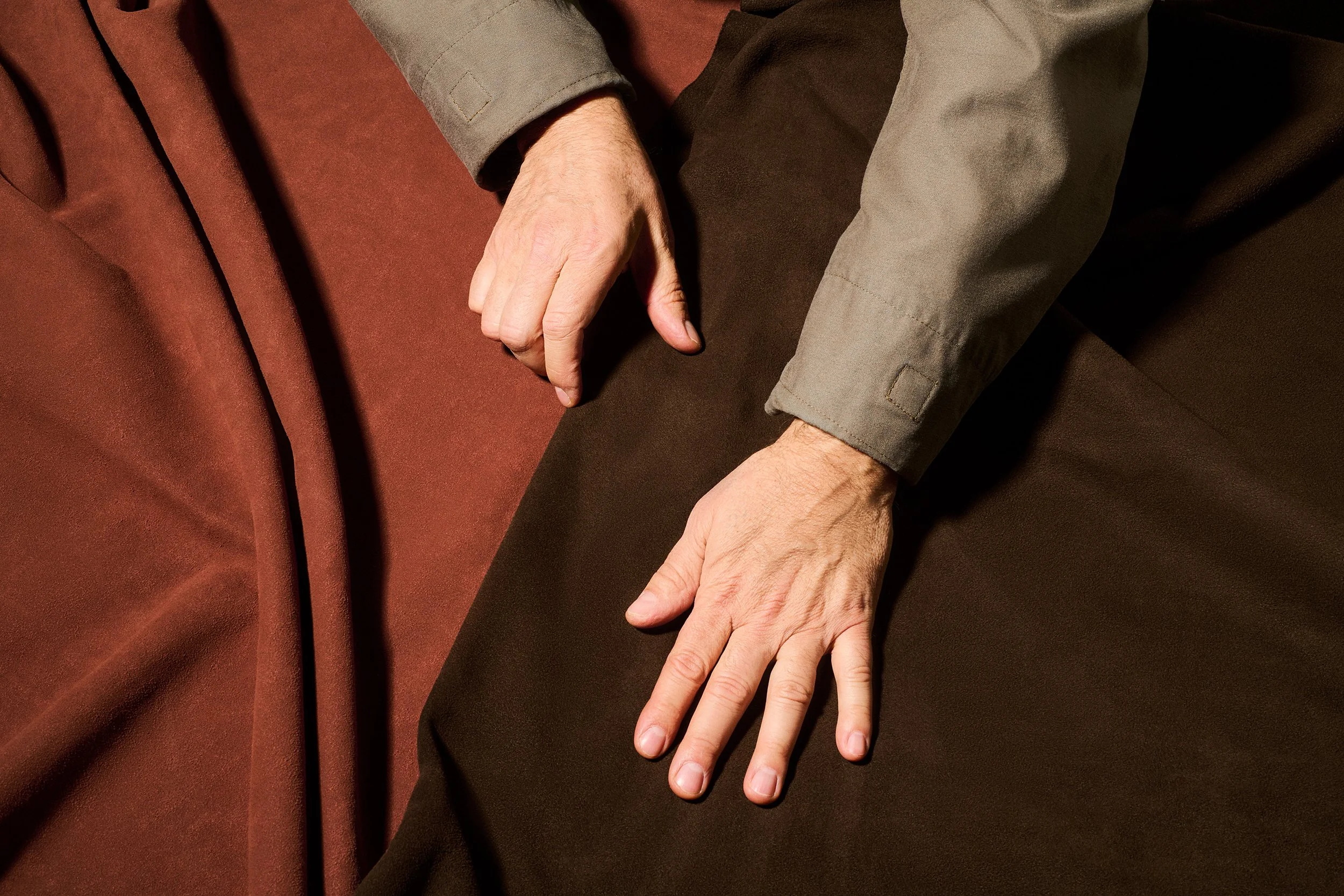
Animal-free, bio-fabricated alternative leather
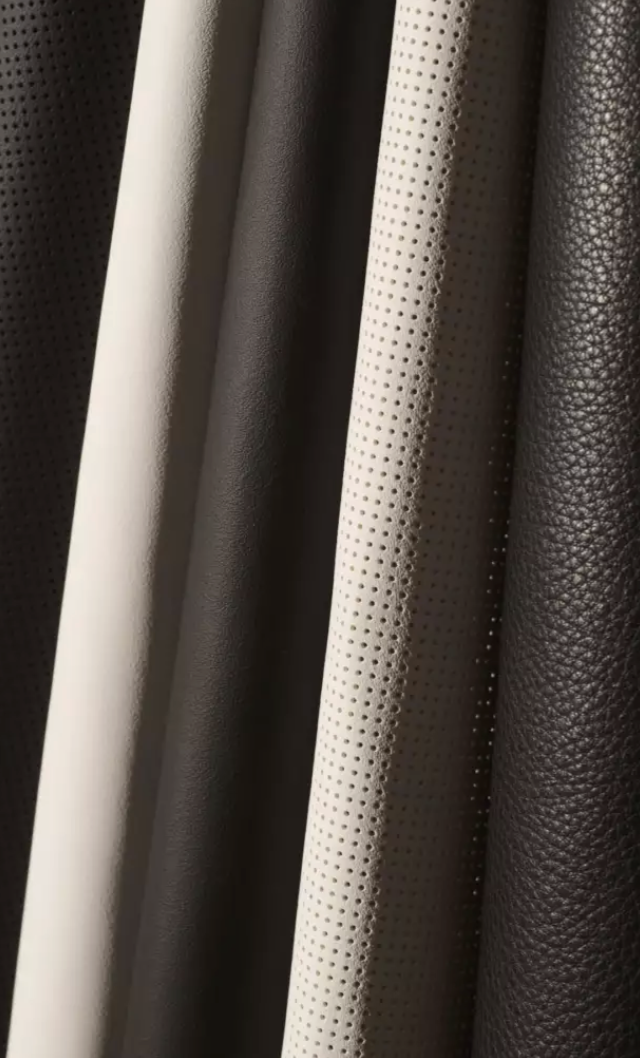
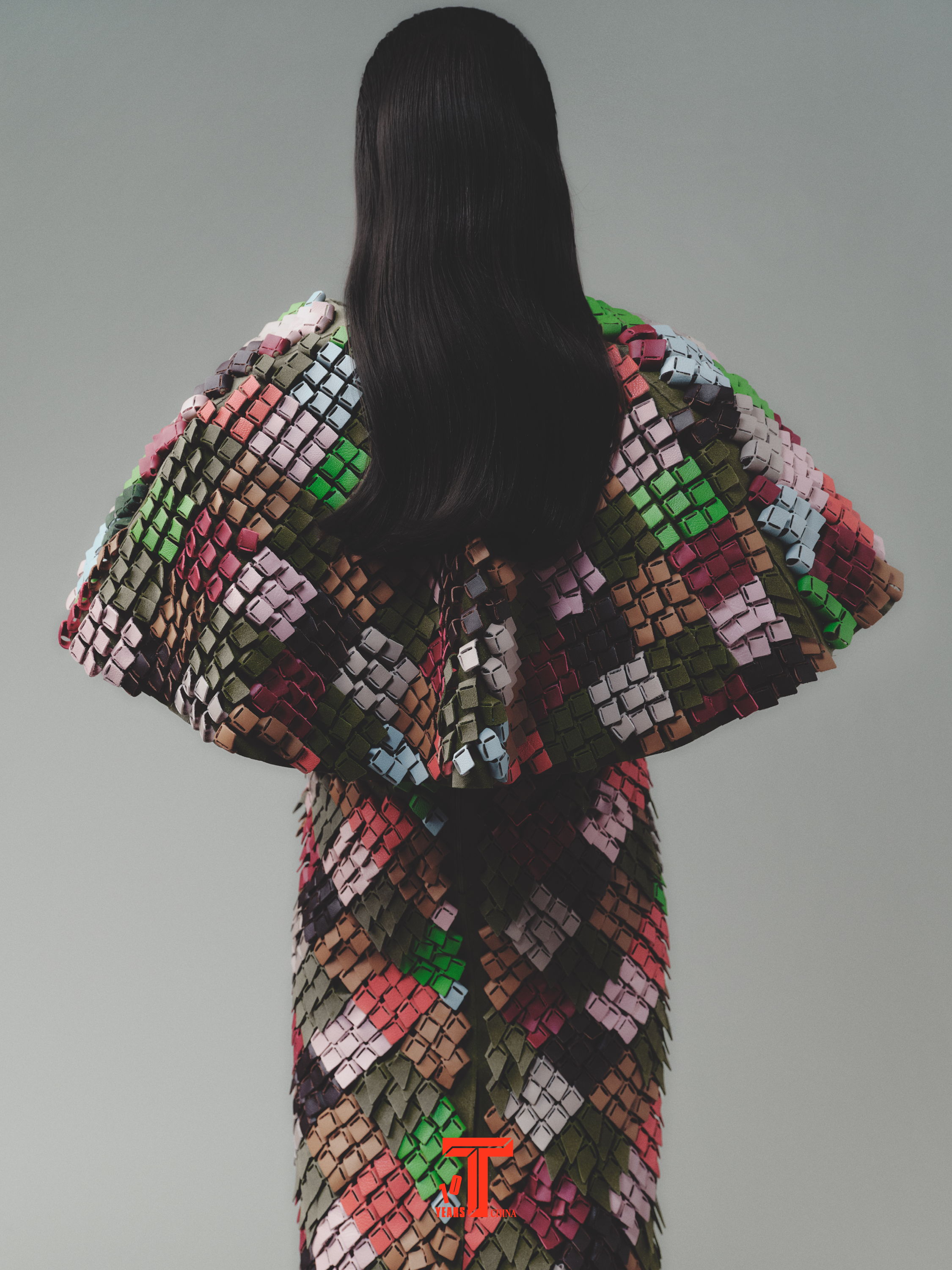
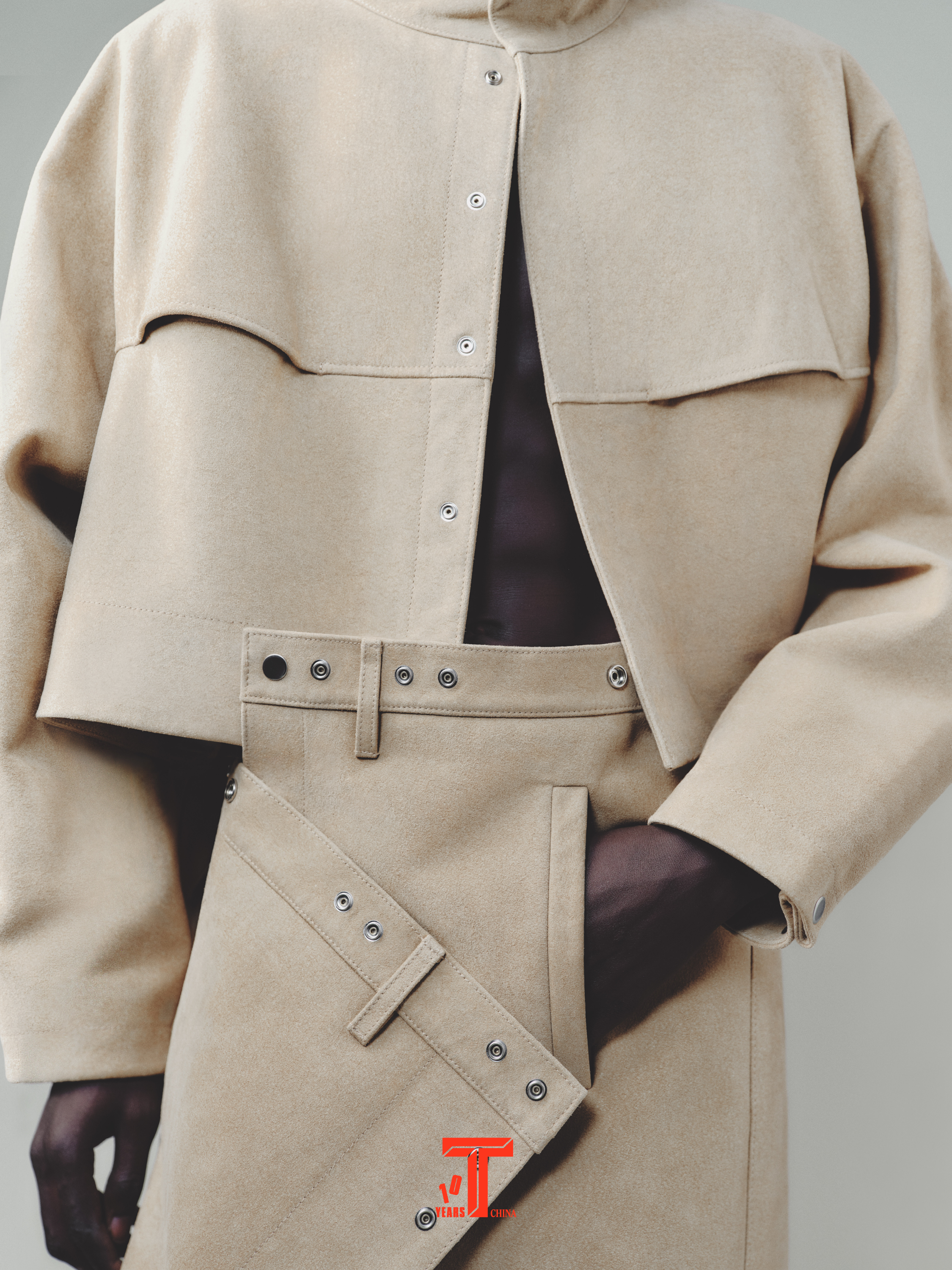
With the goal of driving adoption, the Modern Meadows is partnering with industry leaders in various markets across the globe.  From fashion brands to luxury car brands, and even a leather goods company have elected to use INNOVERA as a sustainable anchor to produce their leather alternative products.   Sustainability fashion designers Karmuel Young and Tommy Abiyo Tedji used INNOVERA in their Autumn Winter 25 collection for their Sustasia Fashion Prize submissions during Shanghai Fashion Week. The reward is given to Asian fashion industry creatives who best showcase the uniqueness, beauty and versatility of innovative sustainable materials and practices.
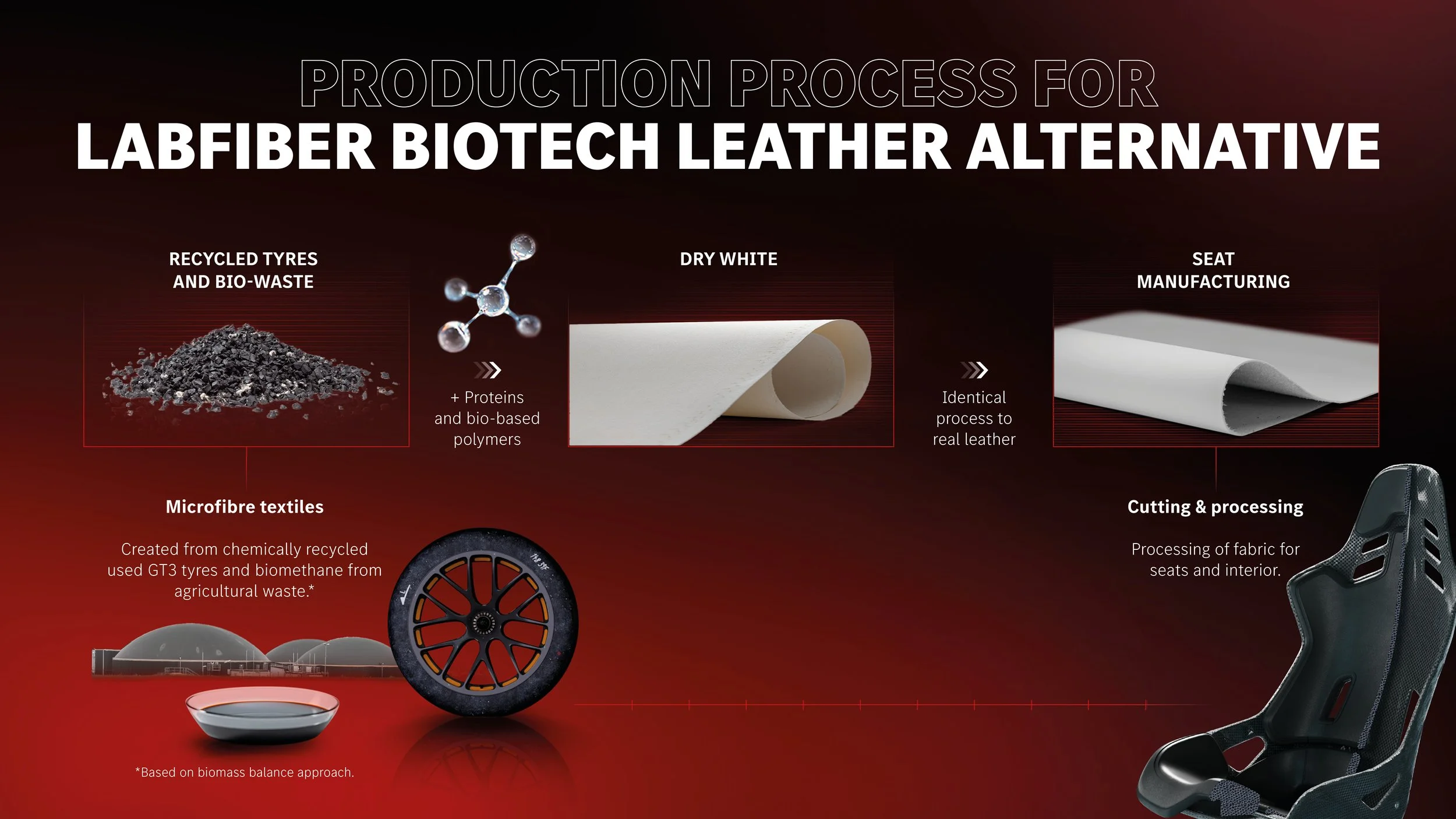
Bellroy, an Australian brand that makes backpacks, totes, luggage and other accessories, uses INNOVERA in select items as a part of a partnership offering customers alternative leather options.  And more recently, Modern Meadows has announced a collection with Mercedes-Benz.  The automobile giant, using INNOVERA and recycled AMG GT3 racing car tires, proteins and biopolymers, will develop a leather alternative called “LABFIBER Biotech Leather Alternative”.  This leather alternative will be used as interiors in Concept AMG GT XX electric vehicles.    
“Solutions often involve action, reframing, and perseverance”

After learning more about Modern Meadows and its INNOVERA alternative leather product, I realized that this company may be the solution that many sustainable brands, designers and manufacturers have been searching for.   Globally, countless producers  are navigating evolving standards and regulations, while others face barriers that include  unclear frameworks or exorbitant costs for implementation.  For example, in the EU, both the CSRD and EUDR are sustainability reporting directives created to require large companies to disclose non-financial, or ESG reports on any environmental risk they face and how their activities impact people and the environment.  However, the standards have been basically sitting in “draft” with formal adoption nowhere in sight.  As one can imagine the lack of clarity and delays in implementation are quite frustrating and further adds to the complication of the industry’s regulatory framework.  

Mitigation

Modern Meadows shifting its focus to INNOVERA with goals to drive adoption and partner with brands across markets benefits all.  This product meets varying chemical safety, labeling and trade requirements in different countries.  Consumers and manufacturers interested in circular and biobased products don’t have to second guess INNOVERA’s drop-in capability when searching premier sustainable leather alternatives.  There is a growing hunger for more sustainable, innovative products, and manufactures would like to navigate the barriers and unexpected costs of regulation.  INNOVERA just may be the investment.


Sources:

Modern Meadows

Williamson, CEO David. Submitted Questions. 24 June 2025.
A World Where Chanel is Never Old: Chanel Nevold

Luxury design house Chanel is entering the world of circular fashion with first-class efforts, backed by an investment of upwards of 80 million euros.   

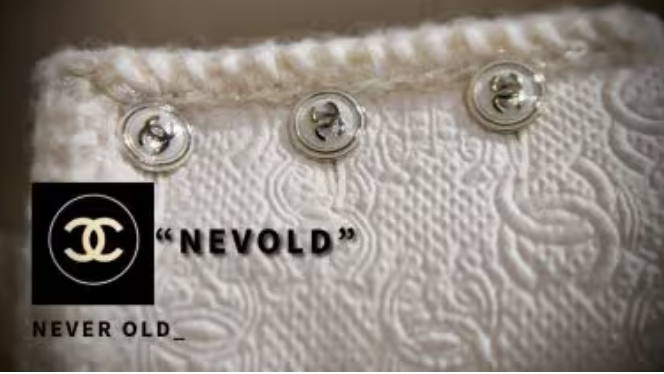
Recently, Chanel unveiled Nevold – short for “never old”.  This all-new sector of the luxury fashion house will be a fully independent platform dedicated to developing recycled materials at industrial scale.   Nevold is a B2B (business-to-business) model created with goals of circular textiles usage for Chanel collections and third parties across the fashion spectrum.  Nevold is geared to offer hybrid materials such as yarn made from a blend of virgin and recycled fibers, and recycled leather material that has already been integrated into 30% of Chanel bags and 50% of certain Chanel footwear lines.  

Sustainable practices aren’t necessarily new at Chanel, as the brand has an in-house recycling lab, L’Art Metiers.  The house also doesn’t destroy unsold products but instead seeks innovative ways to extend the life of these products.  Company leadership has been experimenting for years on methods and systems that would eventually close the loop of their luxury product lifecycles.  However, the Nevold venture will formalize its endeavors.  The brand recognizes the scarcity of high-quality raw materials, such as cotton, wool, cashmere, silk, and leather, and therefore utilizes recycled threads in their tweed, as well as processed leather waste, to reinforce damaged shoes and bags.

LONGTERM ALTERNATIVE – FAR BEYOND NEXT SEASON

For Chanel, Nevold is a surge towards environmental sustainability that extends beyond surface-level ideas of circularity with a resale, buyback program, or upcycling finished products. As yet, Nevold doesn’t have any hard-set metrics to reach, no expected returns to deliver, nor KPIs on how much recycled content will be used in future Chanel collections.   Its centralized focus is on the components - not the product. Taking an in-depth look at what can be created when recycled and virgin content is fused with the technical standards of luxury manufacturing.  In acknowledgment of the global material crisis, Bruno Pavlosky, president of fashion at Chanel and Chanel SAS, insists “[Chanel] is not trying to replace what nature gives us to use”, but preserves it in a way that still provides “best quality with full transparency and traceability”.   The goal is not to change Chanel’s identity, but to equip current and next-generation Chanel customers with the knowledge, capability, and resilience of what is possible with environmentally focused innovation, heritage craftsmanship, and desirability.


Sources:

https://luxiders.com/chanels-nevold-a-debut-with-circular-fashion/

https://www.voguebusiness.com/story/sustainability/chanel-unveils-new-recycling-platform

Alaïa...sustainable??

Can ultra luxe, haute couture brand, Alaïa, be sustainable as well??

Before hoping into runway coverage of RTW AW24 fashion month shows, I wanted to spotlight a brand that I took notice of during Haute Couture Week for presenting a brilliantly designed collection that just so happen to be sustainable - Alaïa.  The brands Summer Fall haute couture collection was crafted entirely using a single fabric - Wool. Using the thread of only wool, the ateliers created tiny loops of merino wool yarn to construct knitwear, wool coats, denim, tops, trousers, gowns and accessories.

Peter Mulier, creative director of Azzedine Alaïa, remarked that during his reign at the helm of the brand, that he has prioritized the approach of craftsmanship in order to maximized the impact of the Alaïa’s output.

Show notes regarding the collection describe it as: 

“ …simple and pure, less meaning more…finding freedom and invention in intimacy being reduced to an essence. Minimizing focus to expand possibilities”.  

Working with less, pushed boundaries without limiting the collection’s creativity and appeal at all.  I found this concept fascinating, and awe-inspiring.  To see images of the sculptural, circular pieces come down the runway was astonishing, and even more impressionable on the psyché once processing the exceptional technique used to create the collection.  

Another interesting design element was the use of 3-D printing with wool to create the jaw dropping asymmetrical maxi length dresses that wrapped around the models torso creating a spiraling structured cut out bodice.

zendaya photo source

True sustainability is innovative and resourceful with minimal environmental impact on products and materials.  Merino wool is a renewable resource from the fleece of merino sheep - that’s biodegradable.  Actually if put to the test, merino wool passes “life cycle assessment (LCA)” on many fronts.  

Conducting a simple LCA evaluates each stage of the material to determine whether its truly sustainable based on the complete lifecycle of a product.  The first step is SOURCING.  As mentioned earlier, the merino wool fibers comes from merino sheep.  These animals can produce as much as 18kgs of wool per year.  How often the sheep are sheared is determined by the farmer, but it can safely occur as frequently as 2-months.  Next is MANUFACTURING. This part of the process is less sustainable as it is mechanical.  Once the fleeces are collected they have to be sorted, cleaned and process which uses quite a bit of water and energy.  The third step is TRANSPORTING.  Depending on the distance the materials must travel, determines how much emissions are used by the vehicles.  However, this stage is known to be relative carbon-intensive.  Fourth stage of LCA is USAGE.  The usage of merino wool is positive and sustainable as the material is can be worn several times between washing due to the breathability and odor-resistance of the fibers.  Lastly, is the END OF LIFE stage of the wool. Merino wool (if untreated) is fully biodegradable and compostable.